
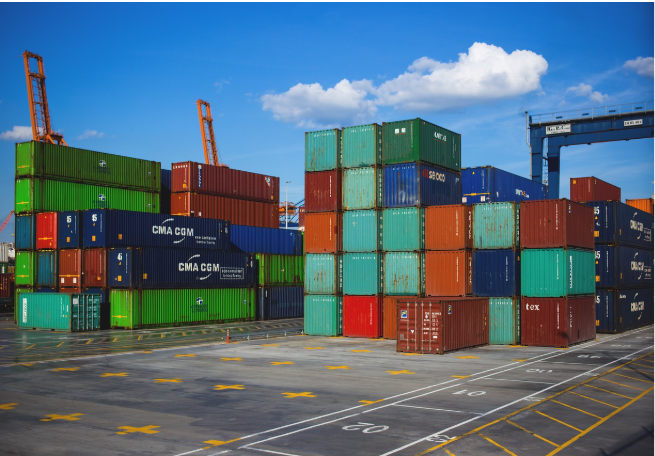
Indonesia is one of the largest consumer markets in Southeast Asia, with a population exceeding 270 million people and strong demand for imported goods. However, importing goods into the nation is tightly regulated to protect local industries and maintain product quality standards. This highlights the importance of understanding how to get an import permit before bringing your business into the market.
Understanding Import Permits in Indonesia
An import permit, known locally as Angka Pengenal Importir (API), is an official license issued by the Indonesian Ministry of Trade that authorizes companies to import goods into the country. This permit ensures that all imported goods comply with national standards, trade regulations, and customs requirements.
The import permit also acts as a safeguard for businesses, giving them legal status and credibility when working with local partners and authorities. Without it, importing goods is not only difficult but may also subject foreign businesses to penalties and delivery disruptions.
Meanwhile, the legal basis for import permits is established through several laws and regulations issued by the Indonesian government, including:
- Law No. 17 of 2006 on Customs
- Law No. 7 of 2014 on Trade
- Ministry of Trade Regulation (Permendag) No. 70 of 2015 on Importer Identification Number
- Government Regulation (PP) No. 5 of 2021 on Risk-Based Business Licensing
- Ministry of Trade Regulation (Permendag) No. 20 of 2021 on Import Policies and Regulations
- Ministry of Trade Regulation (Permendag) No. 23 of 2022 on Import Policies and Regulations
- Ministry of Trade Regulation (Permendag) No. 25 of 2022 on Import Policies and Regulations
Types of Import Permits in Indonesia
Import permits in Indonesia are divided into three main categories. Each designed for specific business activities, such as:
General Import Permit (API-U – Angka Pengenal Importir Umum)
- Issued to companies that import goods for trading or distribution purposes
- Allows businesses to import a wide range of products, except those specifically restricted or requiring additional sector-specific licenses
- Suitable for trading companies that buy, sell, and distribute goods in Indonesia
Producer Import Permit (API-P – Angka Pengenal Importir Produsen)
- Issued to manufacturing or production companies
- Authorizes the import of raw materials, components, or equipment necessary for the company’s production activities
- Imports under this permit must be used internally for production and cannot be resold or distributed commercially
Limited Import Permit (API-T – Angka Pengenal Importir Terbatas)
- Issued through the Indonesia Investment Coordinating Board (Badan Koordinasi Penanaman Modal / BKPM)
- Only applies to the importation of certain goods listed in the company’s business plan and approved by the government
- Goods imported under API-T cannot be sold or transferred to other parties
- Suitable for foreign investors or joint ventures that need to import initial equipment or capital goods when establishing operations in Indonesia
Every type of import permits require registration through the Online Single Submission (OSS) system, under the supervision of the Ministry of Trade. Also keep in mind that choosing the correct type of permit is a critical first step in learning how to get an import permit that matches your business model.
How to Get an Import Permit in Indonesia
Below is a simplified step-by-step guide on how to get an import permit in Indonesia:
- Establish a Legal Entity in Indonesia
Only legally registered entities can apply for import permits. Foreign businesses usually establish a PT PMA (foreign investment company) or work with a local partner under a PT company structure. This is the foundation of how to get an import permit legally.
- Obtain a Business Identification Number (NIB)
The NIB is issued through the OSS system and serves as your company’s master business license. It also functions as the customs registration number, linking the company to Indonesia’s trade and customs systems. Without an NIB, your business cannot proceed with the import permit application.
- Apply for the Appropriate Type of Import Permit
Remember:
- API-U (General Import Permit); for companies importing goods for trading and distribution
- API-P (Producer Import Permit); for manufacturers importing raw materials, components, or equipment for internal production;
- API -T (Angka Pengenal Importir Terbatas); for companies importing capital goods or equipment strictly for their own operations, not for resale
The choice among the three depends on your business model. Select the right one that aligns with your company’s intended activities.
- Prepare and Upload Required Documents
Next step on how to get an import permit in Indonesia is getting your documents ready and upload them. Through the OSS system, your business must submit:
- Articles of association and company deed
- NPWP (Tax Identification Number)
- Business domicile certificate
- Identity documents of directors and commissioners
- Sector-specific licenses, if required for for food, pharmaceuticals, or chemicals
- Ministry of Trade Review and Approval
Once submitted, the Ministry of Trade reviews the application to ensure compliance with trade regulations. If approved, your company will receive an official import permit (API).
- Customs Registration
With the API issued, your company must complete customs registration to activate import activities. This registration allows the business to process customs clearance for imported goods.
- Start Importing
After securing the import permit and completing customs registration, your company is authorized to bring goods into Indonesia in line with the conditions of its permit.
Costs Involved in Getting an Import Permit
When exploring how to get an import permit in Indonesia, you should not only consider the application process but also the costs involved. Government fees for import permits can be minimal to zero, but your business should budget for other costs that may arise throughout the process:
- Government Fees
The application for an import permit through the Online Single Submission (OSS) system generally does not carry a large government fee. However, depending on the type of products imported, additional approvals from specific ministries, e.g., Health, Agriculture, or Industry, may involve administrative charges.
- Company Establishment Costs
Since only Indonesian legal entities can apply for an import permit, foreign businesses must set up a PT PMA or local company first. The establishment of a company requires notarial fees, government registration costs, and capital requirements which can vary depending on the business structure.
- Document Preparation and Legalization
Many documents, such as the parent company’s incorporation papers or sector-specific certificates, may need to be legalized and translated into Bahasa Indonesia. This can add to the overall cost of how to get an import permit.
- Customs Registration and Technical Fees
Your company must also register with Indonesian Customs. Although the registration itself is not costly, you may need to invest in systems, compliance training, and other technical setups to meet customs requirements.
- Professional and Consultancy Services
Due to the complexity of the licensing process, many companies choose to work with legal advisors or consultants such as Watershore. The service can increase costs but often save significant time and prevent compliance issues.
Benefits of Getting an Import Permit
Obtaining an import permit in Indonesia comes with long-term advantages that outweigh the initial investment. For instance:
- Legal authorization; companies can operate legally, avoiding the risks of penalties, fines, or shipment rejections
- Market access; with an import permit, your business gains direct access to Indonesia’s growing consumer market of over 270 million people
- Operational credibility; holding an import permit enhances trust among local partners, distributors, and government institutions
- Business growth; having the right licenses in place allows your business to expand operations seamlessly and scale up trade activities
Securing an import permit is a crucial step for any company looking to enter the Indonesian market. By understanding how to get an import permit, your business can navigate the nation’s regulatory framework, comply with customs requirements, and gain legal authorization to trade. While the process involves several stages, the benefits of holding an import permit far outweigh the initial effort and costs.
However, the process can be complex for foreign companies unfamiliar with local laws. This is where expert support like Watershore can make all the difference. At Watershore, we take the hassle out of incorporating your business and securing the permits you need. Our knowledgeable team guides you through every step, ensuring a seamless, efficient, and fully compliant beginning.
Don’t let regulations slow you down, let Watershore simplify your incorporation and permits with precision!
Sources:
https://legalitas.org/tulisan/izin-impor-yang-perlu-diketahui
https://www.virtualofficeku.co.id/blog_posts/jenis-jenis-lisensi-izin-impor-yang-digunakan-di-indonesia/
https://www.cekindo.com/blog/import-and-export-license-in-indonesia
Image source:
https://pixabay.com/photos/port-pier-cargo-containers-crate-1845350/