
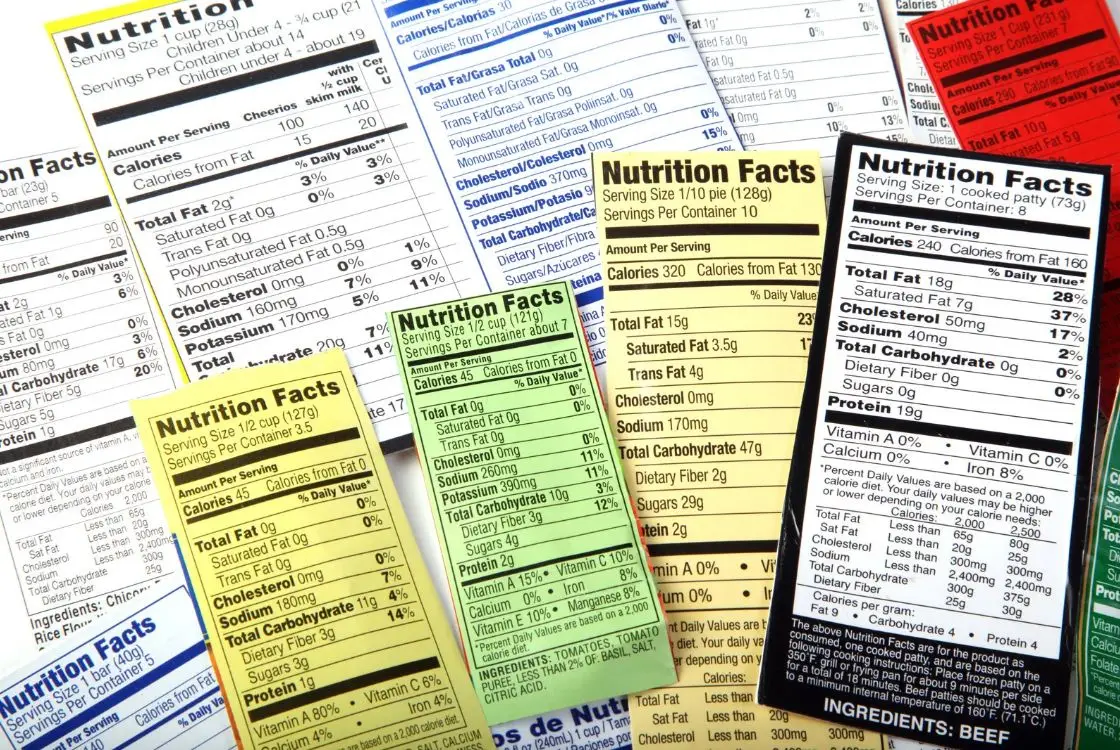
Foreign brands tend to treat BPOM registration and labeling as two separate jobs. In practice, they are one. The label design is submitted as part of the registration dossier, and the label that reaches shelves must match what BPOM approved. A label that is missing mandatory Indonesian-language information, or that differs from the registered version, can cause rejected applications, held shipments or products withdrawn from the market. This guide explains what must appear on imported food and cosmetic labels and how to manage labeling across markets.
The core principle: Indonesian language, matching the registration
Two rules sit behind almost every labeling issue:
- Mandatory information must be in Bahasa Indonesia. Foreign-language text can remain, but the required information must also be provided in Indonesian.
- The marketed label must match the registered label. If you change claims, ingredients, net content or design elements that affect mandatory information, that is a variation that may need BPOM approval.
Imported processed food: mandatory label elements
Under Indonesia’s food regulations, including BPOM’s regulation on processed food labeling (BPOM Regulation No. 31 of 2018, as amended), imported food labels generally need:
- Product name (including the type of food).
- List of ingredients, in descending order by weight.
- Net weight or net volume.
- Name and address of the manufacturer and of the Indonesian importer.
- Halal logo (if certified) or non-halal statement where applicable.
- Production date or code.
- Best-before or expiry date.
- BPOM registration number (ML number for imported processed food).
- Origin of certain materials, where required.
- Nutrition information, for products where it is mandatory or where nutrition claims are made.
- Allergen information where relevant.
Claims such as “high in protein”, “sugar free” or health claims are tightly regulated, and need to meet specific criteria before they can appear on the pack.
Imported cosmetics: mandatory label elements
For cosmetics, BPOM notification is the entry ticket, and the label is part of that file. As explained in our guide to cosmetic registration in Indonesia, cosmetic labels generally need:
- Product name and function (if not obvious from the name).
- Directions for use and warnings or precautions in Indonesian.
- Full ingredient list using INCI names.
- Country of manufacture.
- Name and address of the notification holder in Indonesia.
- Batch number.
- Net content.
- Expiry date (or period after opening, where applicable).
- BPOM notification number.
Marketing claims are an area of frequent problems: cosmetics cannot make medicinal claims (for example, “cures acne” or “treats eczema”), and claims must be supported if questioned.
Stickers vs. printed labels
Many importers use Indonesian-language stickers over original foreign packaging. This is common and can be acceptable, but there are conditions to keep in mind:
- The sticker must be durable and not easily removed.
- It must not cover mandatory information from the original label that still needs to be visible.
- Stickering needs to happen before the product is circulated, and must be accounted for in your logistics plan.
For larger volumes, dedicated Indonesian packaging is usually more reliable and cheaper over time.
Common label errors that delay registration
- Ingredient lists that do not match the formula in the dossier.
- Claims on the pack that are not permitted or not substantiated.
- Missing importer or notification holder details.
- Halal logo used before the halal certificate was issued.
- Expiry date format that is unclear to Indonesian consumers.
How Watershore helps
Watershore reviews label artwork against BPOM requirements before submission, coordinates Indonesian-language translations and sticker designs, and checks consistency with your halal status. Our Indonesia regulatory services combine BPOM registration, halal certification and import compliance so the label you print is the label that passes.
References
- BPOM Regulation No. 31 of 2018 on Processed Food Labeling (as amended)
- BPOM regulations on cosmetic notification and labeling
- BPOM official website: https://www.pom.go.id