
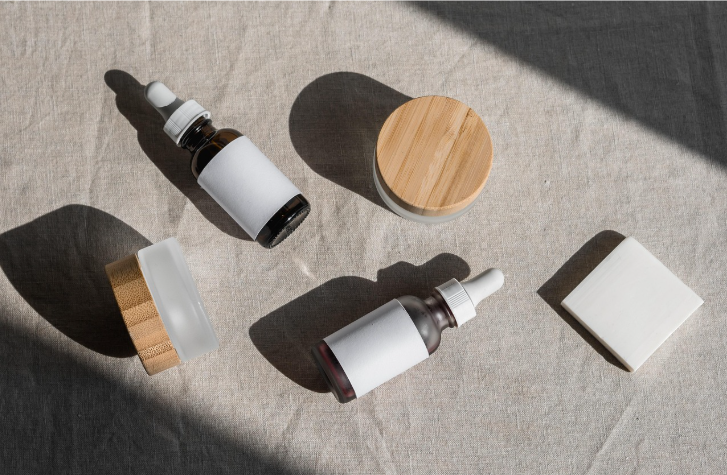
Indonesia’s skincare market has witnessed remarkable growth over the past decade. With a young population, increasing beauty awareness, as well as the rise of K-beauty and local brands, the demand for skincare products continues to expand rapidly.
As the market grows, ensuring product safety and quality becomes a top priority. This is where BPOM regulation for skincare products plays a critical role.
Definition of Skincare Products under BPOM
BPOM, or Badan Pengawas Obat dan Makanan (the National Agency of Drug and Food Control), is the Indonesian authority responsible for regulating, evaluating, and supervising the circulation of cosmetics, including skincare products.
For both local and foreign manufacturers, understanding the BPOM regulation for skincare products is essential to legally distribute and market products in Indonesia. Under BPOM regulations No. 23 of 2020, skincare products are classified as part of cosmetics, defined as:
“Substances or preparations intended to be placed in contact with the external parts of the human body (epidermis, hair, nails, lips, and external genital organs) or with the teeth and the mucous membranes of the oral cavity with the primary purpose of cleaning, perfuming, changing their appearance, correcting body odors, protecting, or keeping them in good condition.”
This broad definition encompasses various categories of skincare products such as:
- Facial cleansers and toners
- Moisturizers and serums
- Sunscreens and whitening creams
- Acne treatments (non-medicated)
- Body lotions, exfoliants, and masks
Products that claim therapeutic or medicinal effects, such as curing skin diseases or altering bodily functions, fall outside cosmetic classification. These are instead regulated as medicinal products or traditional medicines, subject to different approval processes.
In conclusion, BPOM ensures that all skincare products entering the Indonesian market comply with safety, quality, and labeling standards to protect consumers from harmful or counterfeit products.
BPOM Registration Requirements for Skincare Products
Before being sold in Indonesia, skincare products must be registered and approved by BPOM. The registration aims to verify that products meet the required safety and quality standards. It also ensures that the products only contain approved ingredients. Below are the key requirements for BPOM skincare registration:
Legal Entity or Local Representative
- Only companies holding a valid business license and distribution permit (SIUP or NIB) can register products with BPOM
- Foreign brands must appoint a local distributor or representative in Indonesia authorized to handle product registration and compliance
Product Information File (PIF)
The Product Information File is a crucial document containing:
- Full product formula (ingredients and concentrations)
- Manufacturing process and facility details
- Product safety and efficacy data
- Certificate of Analysis (COA)
- Material Safety Data Sheet (MSDS)
- Product stability test results
Labeling and Packaging Compliance
Labels must be written in Bahasa Indonesia and include:
- Product name and function
- Manufacturer/importer name and address
- Batch number and expiry date
- Net content
- List of ingredients
- BPOM registration number (once approved)
Safety and Ingredient Compliance
- BPOM enforces ingredient restrictions according to the ASEAN Cosmetic Directive (ACD)
- Products may not contain banned ingredients or exceed limits for restricted substances such as hydroquinone, mercury, or steroids
Certificate of Free Sale (CFS)
For imported products, a Certificate of Free Sale issued by the originating country’s authority is required. This document certifies that the product is legally sold and safe for use in its home market.
Step-by-Step Skincare Product Registration Process
The process of BPOM registration for skincare products involves several stages, including:
Account Registration on BPOM Online System
The process begins by registering your company on BPOM’s Online Notification System (Notifikasi Kosmetika). The company must hold valid licenses, including:
- NIB (Business Identification Number)
- API (Importer Identification Number) if applicable
- Once approved, the company receives login credentials to access the online system
Product Data Submission
Submit detailed product data through the online platform, including:
- Full formulation and ingredient list
- Manufacturing location and process details
- Supporting documents (MSDS, COA, stability test, and CFS for imported goods)
Evaluation by BPOM
BPOM will review the submission to ensure compliance with the ASEAN Cosmetic Directive and national standards. The evaluation includes:
- Verification of ingredient safety
- Label and packaging review
- Validation of documentation
Notification Approval
If all requirements are fulfilled, BPOM issues a Notification Number (NA code). This number must appear on the product packaging and serves as official proof that the product is registered and approved for distribution in Indonesia.
Post-Market Surveillance
Even after approval, BPOM continuously monitors products on the market to ensure ongoing compliance. This includes random testing, inspections, and label checks. Keep in mind that non-compliant products can face penalties, including withdrawal from the market or revocation of registration.
Compliance Tips to Consider
To ensure a smooth and successful BPOM registration, skincare companies should follow these key compliance practices:
Verify Ingredient Legality Before Product Development
Before finalizing formulations, cross-check ingredients against BPOM’s restricted and prohibited lists. Using banned substances will result in immediate rejection.
Ensure Manufacturer Certification
Partner only with GMP-certified (Good Manufacturing Practice) facilities to demonstrate adherence to production quality standards.
Prepare Accurate Documentation
Incomplete or inconsistent documents are among the most common causes of registration delays. Ensure all product information, certificates, and translations are accurate and up to date.
Local Representation Matters
For foreign brands, selecting a trustworthy local agent or distributor with experience in BPOM registration can save time and prevent costly administrative errors.
Maintain Ongoing Compliance
Once approved, any change in formulation, packaging, or manufacturer must be reported and re-evaluated by BPOM. Regular audits and quality control help maintain compliance during product circulation.
Educate Marketing Teams on Labeling Rules
Make sure marketing and labeling materials align with BPOM standards. Avoid misleading claims such as “instant whitening” or “medical-grade” unless supported by evidence and permitted under regulation.
In short, complying with BPOM regulation for skincare products is not just a legal necessity. It’s a mark of trust and quality assurance for consumers in Indonesia’s rapidly evolving beauty industry.
Start Strong in Indonesia’s Beauty Industry with Watershore
Expanding your skincare business in Indonesia begins with a solid foundation. After all, a strong start sets the stage for success. In that process, Watershore is ready to assist your company, ensuring a seamless and legally compliant beginning. With our knowledgeable team guiding through every step, we will streamline your incorporation journey for your business endeavours. Ready to launch your skincare brand in Indonesia? Contact Watershore today and let our experts help you establish your business confidently and compliantly!